
Connecting Communities to Support and Justice: How a Mobile App Is Transforming GBV Response in Embu
For years, violence against women and girls in many communities across Embu was rarely reported beyond the family compound. Survivors often suffered in silence, with cases settled informally by relatives or councils of elders. While these traditional approaches sought to preserve family harmony, they frequently denied survivors justice, protection and access to essential support services.
The silence surrounding gender-based violence came at a heavy cost. Although Embu and the wider Mount Kenya region record more than 1,000 cases of gender-based violence each year, many more incidents go unreported due to fear, stigma, cultural beliefs and limited knowledge of where survivors can seek help.
Even when survivors chose to speak out, navigating the maze of police stations, hospitals, legal aid providers, counsellors and social services was often overwhelming. Persons with disabilities faced additional barriers, including limited access to disability-inclusive services.
“Before the app, dealing with gender-based violence was challenging because most cases were being resolved in-house, with victims rarely receiving the justice they deserved,” recalls a community champion trained through the Haki Ni Yetu project.
RCDD Connects Survivors to Essential Services: A Community-Led Digital Solution to Strengthen GBV Response
Recognizing these barriers, Rural Community Disability Development (RCDD), with support from the Haki Ni Yetu Project funded by the European Union in Kenya, introduced a digital solution to make GBV response services easier to find and access.
RCDD developed a mobile application that brings essential GBV response services together on one platform. The application functions as a digital resource map, enabling survivors and community members to quickly locate nearby police stations, health facilities, legal aid providers, psychosocial support services, disability services and faith-based counselling centres across Embu West and Embu North.
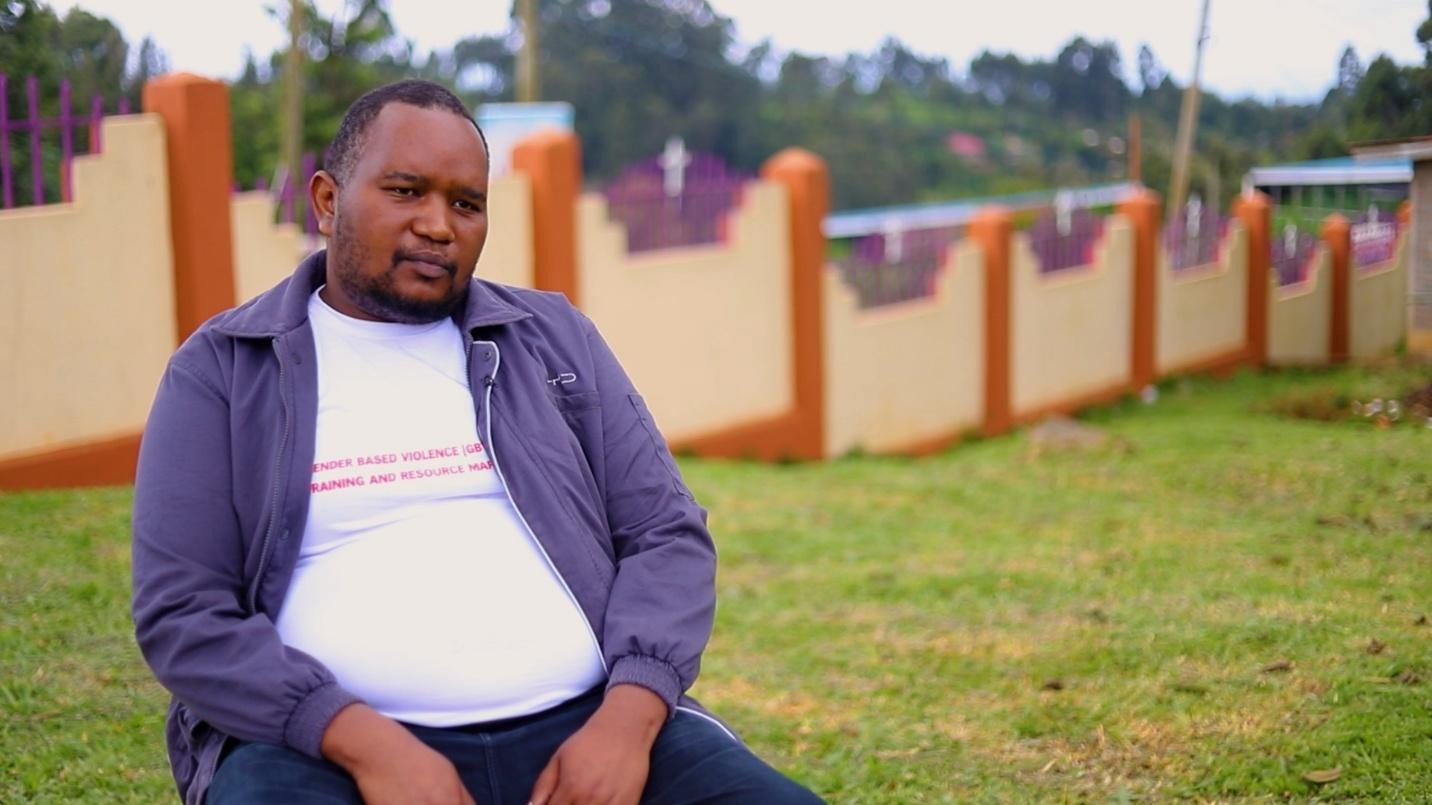
Rogers Kimathi, Programs Officer at RCDD, explains how the mobile application is helping survivors of gender-based violence in Embu access legal, health and counselling services through a single digital platform. Photo|InformAction.
While explaining how the system works, Rogers Kimathi, Programs Officer at RCDD, said the application was designed to address one of the biggest challenges survivors face: knowing where to find and access the support they need. By bringing information on different services together in one platform, the app makes it easier for survivors and their families to identify the appropriate support without having to visit multiple institutions.
“The app is basically a resource centre where people can access legal services, health services and counselling from the comfort of their mobile phones. People are now able to find all the services they need in one place instead of moving from office to office looking for help.” He said.
Learn more about the APP
The intervention went beyond the application. RCDD also mapped available services, identified gaps in institutional responses and trained a network of community champions, including Community Health Promoters, police officers, local administrators and faith leaders. These champions now act as trusted first responders, helping survivors connect with appropriate services instead of allowing cases to remain hidden.
The initiative also strengthened collaboration among churches, police officers, chiefs, healthcare workers and legal aid providers, creating clearer referral pathways for survivors.
Better Access, Stronger Services and Greater Community Action
The intervention is already producing tangible results. More than 100 people have downloaded the application, providing survivors and community members with a new way to identify and access support services.
The resource mapping exercise has also encouraged institutions to address gaps in their own GBV response. Some police stations have established dedicated rooms where survivors can report cases privately, while officers have been equipped to assist people who are deaf through sign language.
“We now have officers who can assist people who are deaf through sign language, and police stations have established dedicated rooms where survivors can report cases privately,” says Esther Njoki.
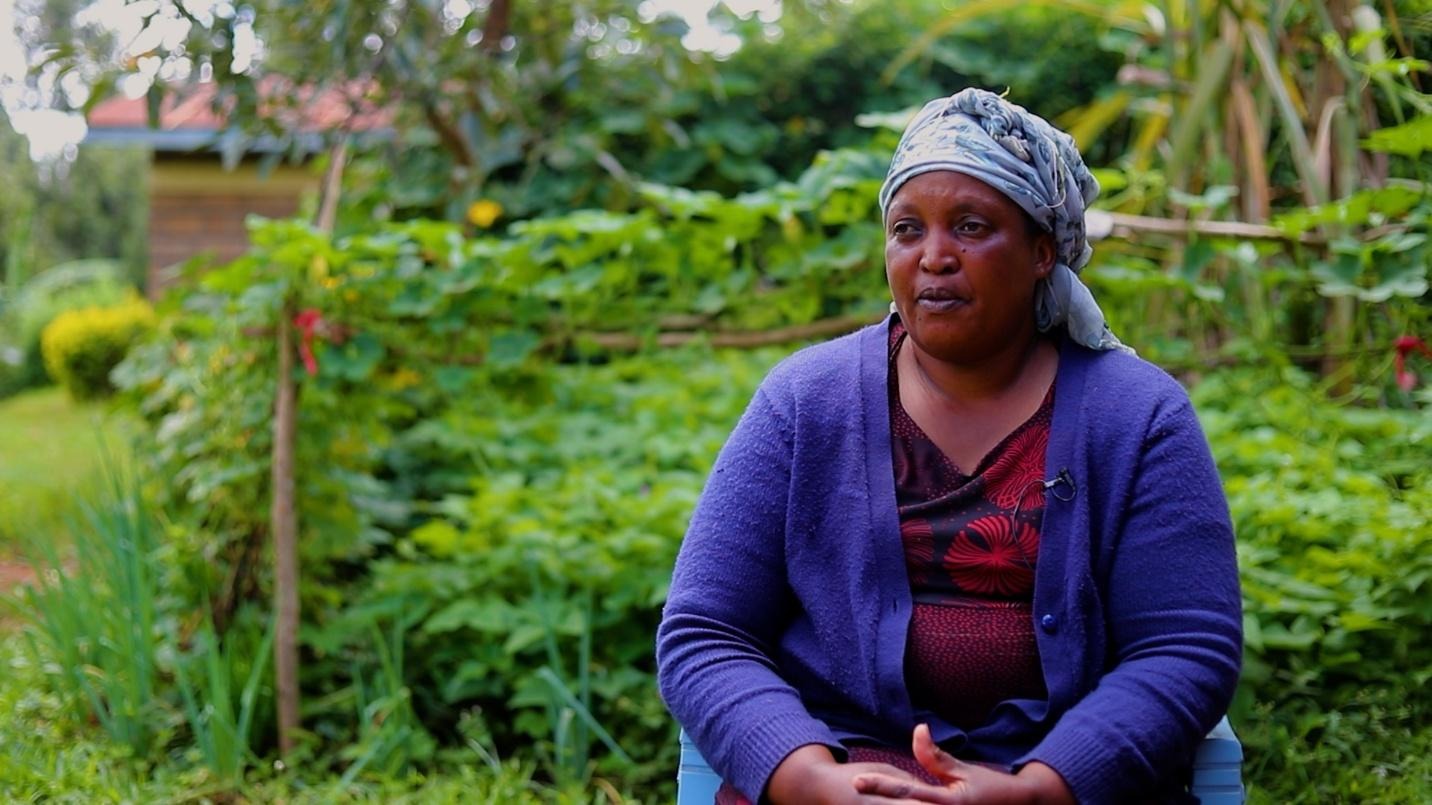
Esther Njoki, a project beneficiary, shares how the RCDD mobile application is helping parents of children with disabilities identify and access essential services during an interview in Embu. Photo|InformAction.
The initiative has also improved access to services for children with disabilities. Previously, some children who required physiotherapy were not receiving treatment because their families did not know where the services were available. The resource map is now helping parents identify and access these services.
“We had children who were victims but were not receiving physiotherapy,” recalls Njoki. “Now parents can access the resource map, identify where these services are available, and take their children for treatment.”
Beyond service delivery, the intervention is changing how communities respond to GBV. Churches, community groups and public institutions are increasingly creating spaces for open conversations about violence against women and girls.
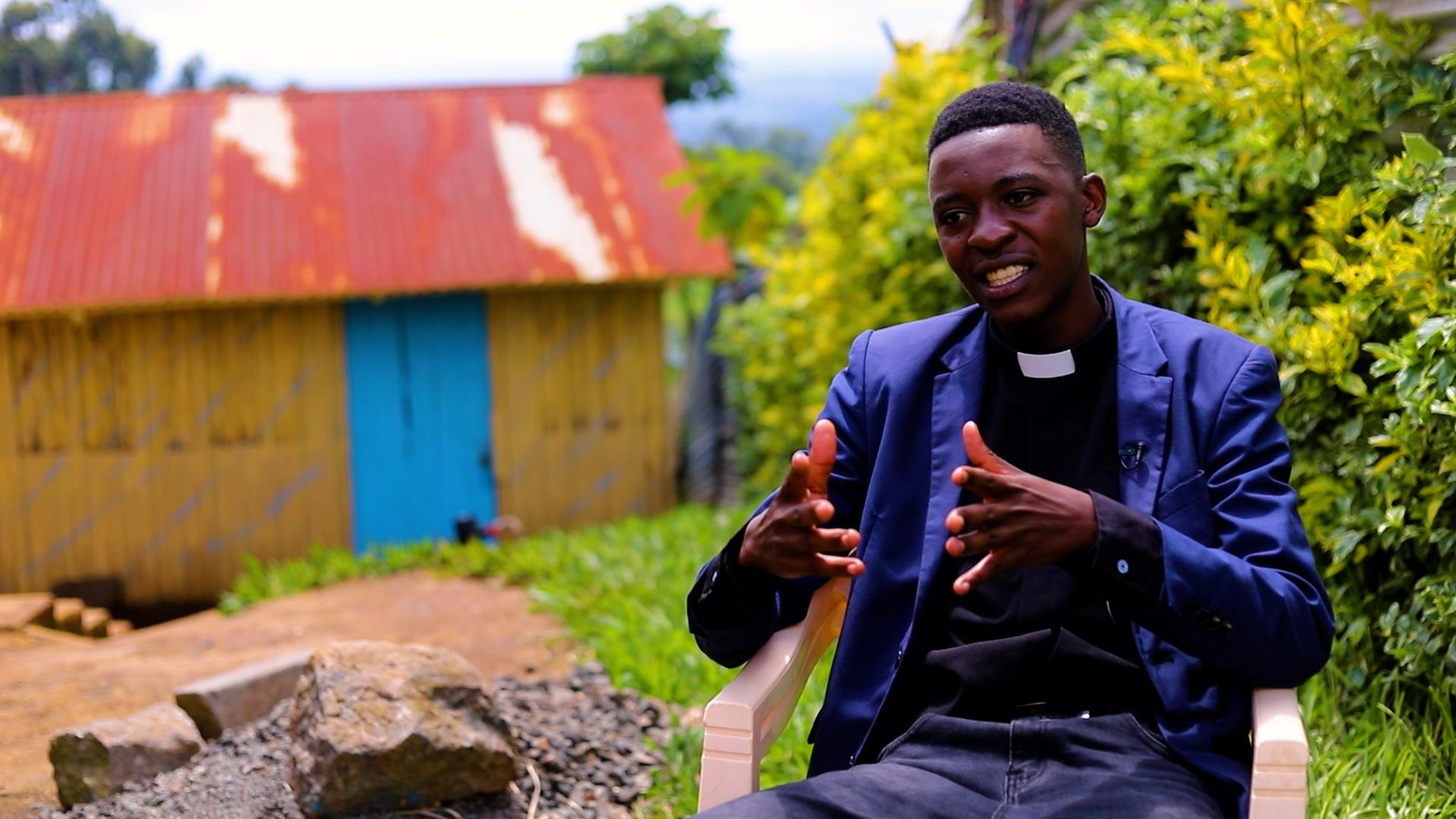
Pastor Martin Macharia speaking about the changing attitudes towards gender-based violence, noting how church groups are increasingly creating safe spaces for open conversations and encouraging communities to support survivors rather than remain silent. Photo|InformAction.
“Today, our church groups openly discuss gender-based violence without treating it as something shameful,” explains Pastor Martin Macharia. “People are beginning to understand that survivors deserve support, not silence.”
For RCDD and the Haki Ni Yetu Project, the experience in Embu demonstrates how technology, community leadership and institutional collaboration can work together to remove barriers to justice.
The application is more than a digital resource map. It is helping create a more connected and inclusive GBV response system, one where survivors can find support more easily, institutions can respond more effectively, and communities are increasingly willing to speak out.
In Embu, the journey from silence to support is becoming clearer, with justice and essential services now only a few taps away.
Rural Community Disability Development (RCDD) received funding through the open call of the Rights, Governance and Accountability Grants (Small Grants) of the Haki Ni Yetu project. The Haki Ni Yetu project is funded by the EU Delegation to Kenya. You can learn more about the project here: https://kios.fi/en/haki-ni-yetu/

This page is funded by the European Union. Its contents are the sole responsibility of the KIOS Foundation & The Haki Ni Yetu project and do not necessarily reflect the views of the European Union.