


The Haki Ni Yetu project (2023–2026) has offered resources, skill enhancement, and networking opportunities to local human rights activists in Kenya. Funded by the European Union, the 4-year project has empowered grassroots groups and community-based organisations working for accountability, good governance and human rights.
Grassroot activists and organizations can be powerful agents of change. But small, locally operating groups in remote areas in Kenya often lack funding and support. In response to these challenges, the Haki Ni Yetu project has targeted community-based and other smaller non-profit organisations based outside Nairobi or in informal settlements.
We have provided meaningful support, built capacities, and fostered networking opportunities for civil society actors. Our focus has been on organisations led by women, youth and organisations led by marginalized groups.
Haki Ni Yetu has targeted grassroots groups and civil society actors operating in 20 counties, with a specific focus on 15 priority counties including Kakamega, Busia, Kisii, Migori, Siaya, Isiolo, Turkana, Taita-Taveta, Kwale, Kilifi, Narok, Kericho, Nairobi, Embu, and Kirinyaga.
Two grant programs for funding human rights work
The project has hosted two grant schemes, catering to both experienced applicants and community-level initiatives that often face challenges in terms of support and recognition. The grants have been coupled with ongoing mentoring. For the smaller groups, grants have been accompanied by training and capacity-building activities.
The ‘larger grants’, the Rights, Governance and Accountability Grants, have been nationwide.
The ‘smaller grants’, the Civic Action and Community Empowerment Grants, have been restricted to grassroots groups and civil society actors operating in 15 counties: Busia, Embu, Isiolo, Kakamega, Kericho, Kilifi, Kirinyaga, Kisii, Kwale, Laikipia, Migori, Narok, Siaya. Taita-Taveta, and Turkana.
There are no more open calls planned for the remaining project period ending in 2026.
Grassroot empowerment across three themes
The project has addressed three broad themes:
- Democracy and the rule of law: enhancing good governance, promoting the rule of law and state accountability, fighting against corruption and strengthening access to justice.
- Gender equality and non-discrimination: enhancing women’s rights, prevention of gender-based violence, and promotion of inclusion, tolerance and diversity and sexual health and reproductive rights.
- Business and human rights: enhancing environmental and climate justice and corporate accountability.
The Haki ni Yetu project has been funded by the European Union as part of its grants for strengthening Kenyan civil society organisations as actors of good governance and development. It has been implemented by a consortium of three partners: the KIOS Foundation from Finland as the lead organization, and two local Kenyan organisations, InformAction and CSO Network.
Project oversight has been provided by a Steering Committee consisting of prominent human rights activists from Kenya and Finland. The Steering Committee has provided policy guidance and overall quality assurance.
The Steering Committee does NOT award grants. Two independent grants committees have been established to oversee the process of shortlisting and selecting viable applications and formally awarding the grants.
The Haki Ni Yetu project is committed to fostering a society where human rights are upheld, defended, and advanced at local, national, regional, and international levels. Thank you to all partners who have joined us on this journey as we have empowered communities, amplified voices, and worked towards a future where human rights are not just protected but actively championed at every level of society.
Together, we can build a more empowered and resilient civil society.
News and Impact Stories

Beyond the Screen: How Kokotoni Communities in Kilifi County Are Turning Stories into Action
In Kokotoni, Kilifi County in the Kenyan coast, residents are navigating the severe environmental and social challenges associated with mining…
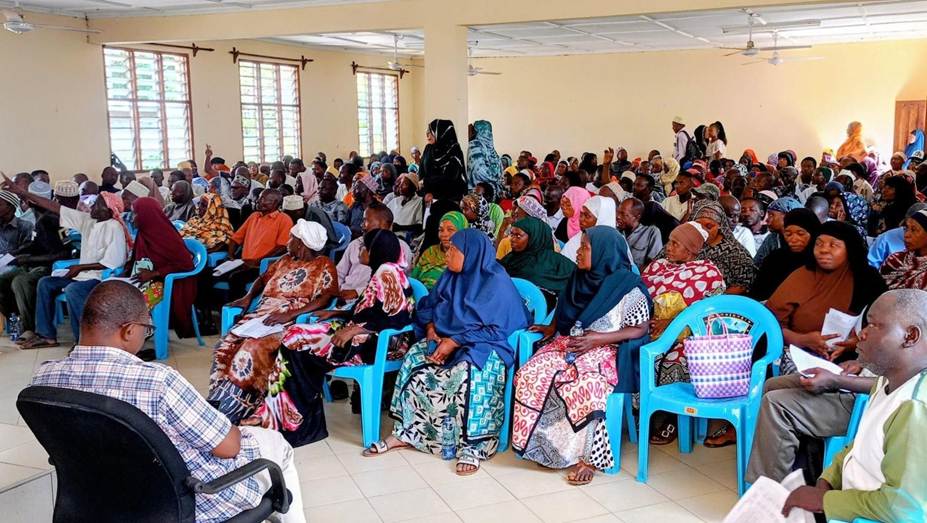
A Safe Place to Heal: How Community Voices Secured Protection for Survivors of Gender-Based Violence in Kwale County
For many survivors of gender-based violence in Kwale County, escaping abuse did not guarantee safety. With no safe houses available,…
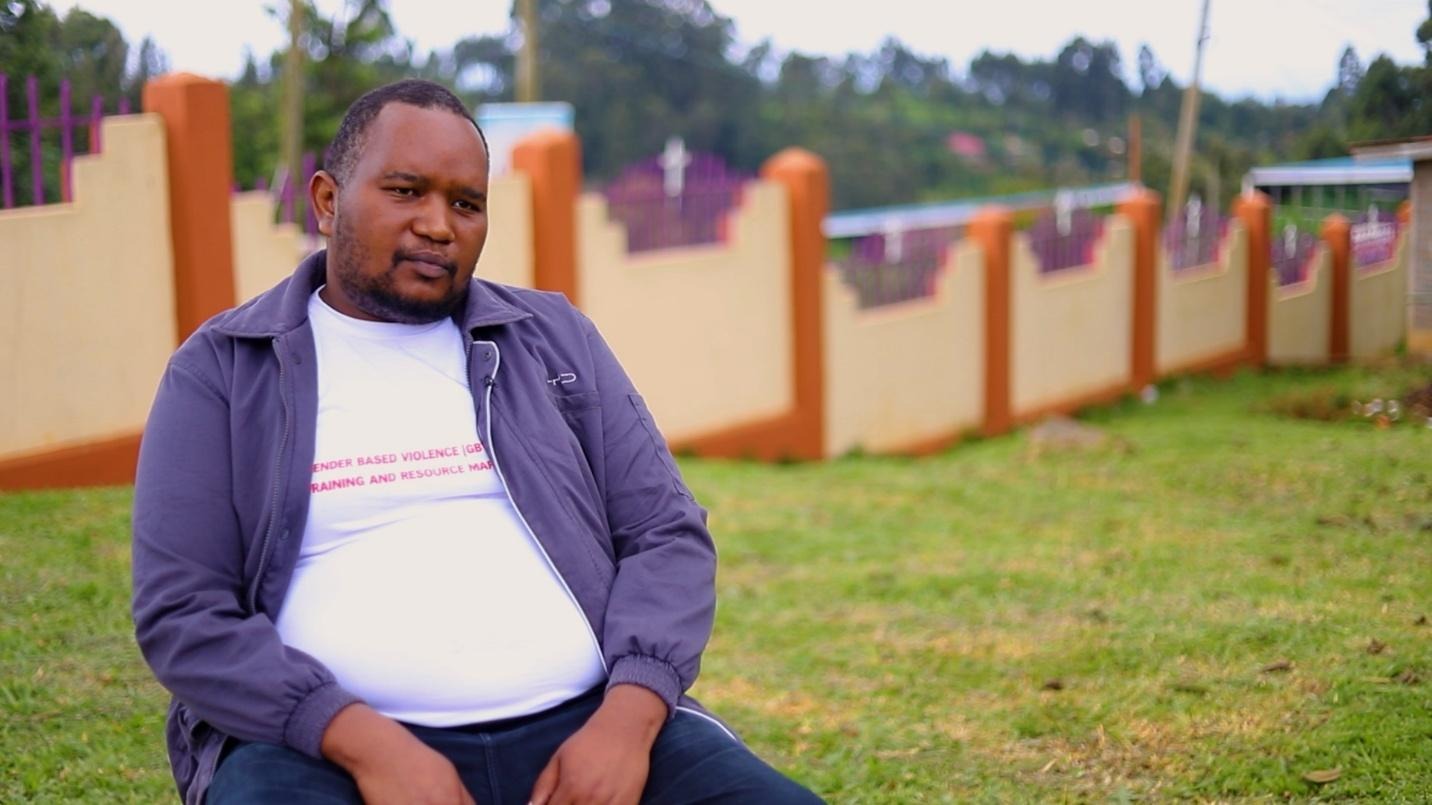
Connecting Communities to Support and Justice: How a Mobile App Is Transforming GBV Response in Embu
For years, violence against women and girls in many communities across Embu was rarely reported beyond the family compound. Survivors…
This page is funded by the European Union. Its contents are the sole responsibility of the KIOS Foundation and do not necessarily reflect the views of the European Union.
